- Intentional, low-stimulation activities during the first 60 to 90 minutes after rising are part of a morning routine that reduces anxiety.
- This window is the most important period to establish calm because it is when cortisol normally peaks, a process known as the Cortisol Awakening Response.
- According to research, a no-phone morning routine, mindful eating, gratitude journaling, breathwork, gentle activity, and water can all help to reduce anxiety naturally by as much as 60%.
- The following seven-step process is based on studies on clinical wellness, behavioral psychology, and neuroscience.
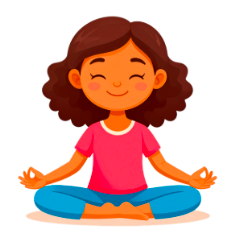
Why Your Morning Routine Sets the Tone for Anxiety Levels
You’re not alone if you’ve ever woken up feeling overpowered, your mind racing, and your heart pounding before you’ve even looked at the clock. Millions of people throughout the world suffer from morning anxiety symptoms, which frequently result from events that occur in the first sixty minutes following the sound of your alarm clock rather than during the day.
Your morning routine serves as a primer for your nervous system. It lets your nervous system know if the day is going to be chaotic and dangerous or safe and managed. Before the stresses of everyday life come, a morning routine for anxiety relief activates your parasympathetic nervous system, which is your rest-and-digest mode.
The good news is that costly supplements and a two-hour spiritual practice are not necessary. Studies have repeatedly shown that even a daily planned morning routine of 25 to 30 minutes can considerably reduce persistent anxiety and support mental health naturally.
The Science Behind Morning Cortisol and Anxiety
The Cortisol Awakening Response is a natural 50–100% increase in cortisol that occurs in your body 30–45 minutes after you wake up, giving you energy for the day.
In healthy people, this increase is tolerable and even beneficial. However, this cortisol spike can cause a downward spiral of concern, physical tension, and racing thoughts in those who suffer from anxiety disorders or chronic stress.
Important data regarding morning anxiety relief:
- At least once a week, 79 percent of respondents report having morning anxiety symptoms.
- Studies have shown that regular, calm morning habits can reduce anxiety by up to 60%.
- The average time required to establish a long-lasting, peaceful morning routine is 21 days.
- The shortest effective routine duration for quantifiable anxiety reduction is thirty minutes.
Instead of reaching for your phone, which activates threat-detection pathways and raises cortisol levels by inundating your brain with notifications, news, and social comparison before your nervous system has had time to stabilize, the key is to lower cortisol in the morning naturally through controlled breathing, hydration, and movement.
The 7-Step Morning Routine That Reduces Anxiety
Even a shortened 25-minute version of this exercise that uses steps 1, 2, 3, and 7 will result in significant anxiety alleviation, even though it is intended to be completed in 60 minutes. Behavioral neuroscience, which is the study of how our brain and behavior interact, serves as the foundation for each phase of this anxiety-reducing morning routine.
Step 1: Hydrate Right Away (Minutes 0 to 5)
Before doing anything else, drink 16 ounces of water. Even modest dehydration increases cortisol levels and intensifies anxiety symptoms. For electrolytes and extra magnesium, a mineral that naturally aids the nervous system, add a squeeze of lemon or a tiny teaspoon of mineral salt. This procedure supports morning hydration for anxiety relief and helps regulate stress hormones early.
Step 2: Box Breathing or 4-7-8 Breathing (Minutes 5 to 12)
Practice controlled breathing exercises for anxiety for five to seven minutes. In just a few minutes, box breathing—inhale for four seconds, hold for four, exhale for four, hold for four—activates the vagus nerve and starts to reduce the stress response. Because the prolonged exhale immediately activates the parasympathetic nervous system, the 4-7-8 technique is particularly effective for acute anxiety and is widely used in morning anxiety relief techniques.
Step 3: Meditation or Body Scan (Minutes 12 to 22)
Your brain’s alarm system, the amygdala, is less active after a brief body scan or guided meditation. Just five minutes of focused attention to your body and breath can significantly lower your anxiety biomarkers.
It is sufficient to observe your thoughts without passing judgment; you do not need to attain a blank mind. This builds a consistent morning meditation for anxiety practice.
Step 4: Gentle Movement, Not HIIT (Minutes 22 to 37)
The best way to relieve morning tension is to do some light yoga, stretch, or take a peaceful ten-minute walk. If you suffer from anxiety, stay away from high-intensity exercise before midday, as it causes a brief increase in cortisol levels, which is a hormone related to stress.
Gentle movement releases GABA, the brain’s natural calming neurotransmitter, without inducing the stress response, making it an ideal gentle morning exercise for anxiety.
Step 5: Journaling Your Gratitude (Minutes 37 to 47)
List three specific things for which you are thankful. By doing this, the brain transitions from a threat-detection to a reward-seeking state. Regularly performing thankfulness exercises for four weeks or longer can reduce anxiety levels by up to 23%. The exercise will be more successful if your entries are more detailed and individualized. This creates a strong habit of gratitude journaling for anxiety.
Step 6: Low-Sugar, High-Protein Breakfast (Minutes 47 to 57)
Unstable blood sugar is a major but obscure cause of anxiety. Stable energy can be obtained from eggs, avocado toast, Greek yogurt with berries, or oats with nut butter.
A blood sugar collapse by mid-morning, which results in physical sensations very similar to anxiety, such as heart palpitations, impatience, and brain fog, is exacerbated by sugary cereals, pastries, and missing breakfast completely. Choosing the best breakfast for anxiety supports emotional stability.
Step 7: Don’t Use a Phone for the First 60 Minutes (Minutes 57 to 60)
The most significant alteration you can make to your morning routine for mental health is this one. Using a phone in the morning closely correlates with higher baseline anxiety levels throughout the day.
Wait until your nervous system is completely primed and steady before using any social media, news, or email. A no phone morning routine protects your mental clarity.
The Perfect Timeline for a Calm and Anxiety-Free Morning
- Minutes 0 to 5: Drink water.
- Minutes 5 to 12: Breathing exercises.
- Minutes 12 to 22: Body scan or meditation.
- Minutes 22 to 37: Yoga or light movement.
- Minutes 37 to 47: Gratitude journaling.
- Minutes 47 to 57: Balanced breakfast.
- Minutes 57 to 60: Plan your day without using your phone.
Using Morning Habits to Reduce Anxiety Naturally
Based on compiled behavioral wellness research, the following behaviors are ordered by the proportion of individuals who report feeling less anxious:
- 88% did not use a phone throughout the first hour.
- 81% practiced breathwork.
- 76% meditated for five to ten minutes.
- 74% engaged in gentle movement.
- 65% journaled gratitude.
- 58% chose a low-sugar breakfast.
- 52% hydrated immediately upon waking.
These behaviors collectively create a powerful, calm morning routine for anxiety.
The Neurological Loop of Habit-Calm
It takes a dependable loop that your brain will eventually operate on autopilot to create a peaceful morning, not willpower.
The alarm goes off. You keep your phone facing down. Your feet touch the ground.
Water, breathing exercises, meditation, exercise, writing, and breakfast are all part of the routine.
A quiet mind, less cortisol, clear thinking, and self-assurance throughout the day are the rewards.
After 21 days of repetition, the sequence is hardwired into the brain. After 30 days, it feels more like identity than discipline, reinforcing consistent daily habits for anxiety relief.
Common Morning Mistakes That Increase Anxiety
Unknowingly, even those with the best of intentions begin their days in ways that increase worry. Half the battle is won when these patterns are recognized.
Mistake 1: Checking Your Phone Within 5 Minutes Of Waking Up
This activates threat-detection pathways before your nervous system is prepared to handle them.
Mistake 2: Eating Sugary Meals Or Skipping Breakfast
This causes a blood sugar collapse by mid-morning, resulting in irritation, difficulty concentrating, and heart palpitations.
Mistake 3: Multiple Snooze Cycles
Each snooze increases emotional reactivity for hours.
Mistake 4: Using Social Media Or News Throughout The First Hour
Exposure to negative content before 9 AM increases perceived stress levels.
Mistake 5: Drinking Coffee Before Water
Caffeine on a dehydrated stomach raises cortisol and can trigger anxiety symptoms.
Expert Advice on Maintaining a Consistent Anxiety-Reducing Morning Routine
Consistency, not knowledge, is the largest barrier to any mental health morning routine.
Start with just two habits: breathwork and water. Prepare everything the night before. Use an analog alarm clock. Practice habit stacking. Track your streak visually. Accept imperfect days. If you cannot complete 60 minutes, complete 20. Never skip entirely.
Final Thoughts on Building a Morning Routine That Reduces Anxiety
One of the best investments you can make in your mental health is creating a daily routine that lowers anxiety. It requires repetition and intention, not perfection. Start tomorrow morning with one step. After 21 days, it won’t feel like discipline. It will feel like you.
FAQs About a Morning Routine That Reduces Anxiety
How long should an anxiety-related morning routine last?
When practiced regularly, even 20 to 30 minutes might result in a noticeable decrease in anxiety. Although a 60-minute routine offers more profound advantages, it is more sustainable to start small and gradually strengthen your morning routine for anxiety relief.
Does working out in the morning reduce anxiety?
Yes, however, it depends on the type. Stretching, yoga, and walking are examples of gentle exercise that greatly lower anxiety. High-intensity exercise can momentarily raise cortisol during the morning when anxiety is already high, so it is best to reserve it until the afternoon.
Is it possible for a morning ritual to take the place of counseling or anxiety medication?
No. A morning routine is not a clinical substitute but rather a potent supplemental practice. In addition to adopting these practices, please see a licensed mental health professional if your anxiety is severe or substantially interfering with your day-to-day functioning.
Which breathing technique is most effective for treating morning anxiety?
The 4-7-8 method and box breathing are both clinically validated. Because the prolonged exhale directly stimulates the vagus nerve and triggers a parasympathetic response more quickly than regular breathing, the 4-7-8 approach is particularly useful for acute anxiety.
How quickly would a morning routine help me feel less anxious?
After five to seven days of regular practice, the majority of respondents report feeling happier. After 21 to 28 days of daily repetition, more substantial neural changes, such as decreased baseline anxiety, usually appear.
Which meals are good for lowering morning anxiety?
Eggs, oats, Greek yogurt, avocados, and blueberries are foods that help balance blood sugar and promote the creation of neurotransmitters. High-sugar breakfast meals cause a blood sugar roller coaster that mimics and intensifies anxiety symptoms throughout the day, so stay away from them completely.